
GreenFutures
All Schools can be Great!
All Schools can be Green!
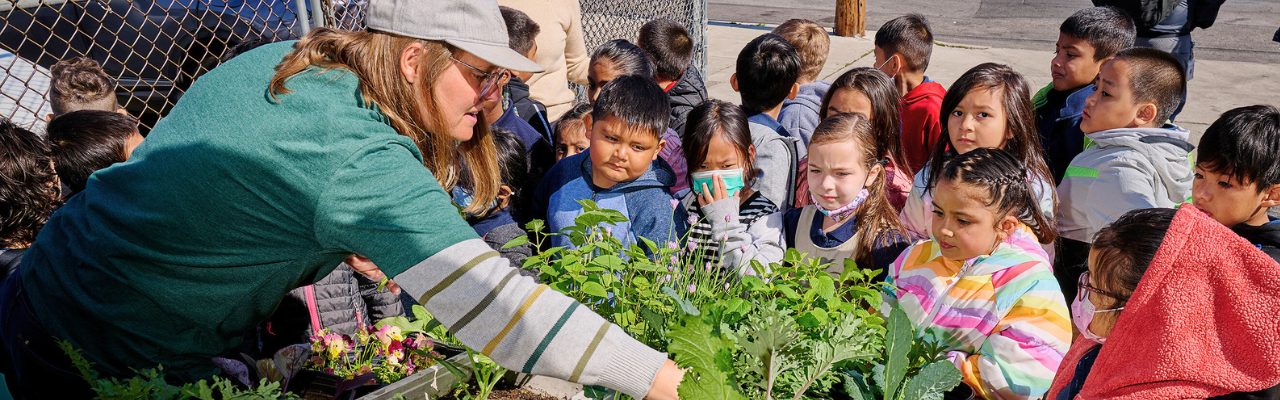
Join us on a journey to GreenFutures – the District’s plan to provide each student in Philadelphia with a green, healthy, high-performance school that promotes teaching and learning and equips future leaders and decision makers with the knowledge and skills needed for a changing world.
GreenFutures is not just about recycling, clean water, or planting trees, though those efforts are important. We take a holistic approach: this is about how we live and how we nurture our young people to be responsible future stewards of our planet.
How do we do that? Check out helpful materials, projects, and programs to learn how schools can be great and green!
History of GreenFutures
GreenFutures was launched in 2016, to build a culture of sustainability throughout the School District of Philadelphia by making every school a greener school to better serve students and communities. The second version, GreenFutures 2.0, is currently under development.
GreenFutures was modeled after the City of Philadelphia’s sustainability plan, Greenworks, and National Wildlife Federation’s Eco-School USA program. The plan is broken up into five interconnected focus areas: Education for Sustainability, Consumption and Waste, Energy and Efficiencies, School Greenscapes, and Healthy Schools/Healthy Living.
Whole school sustainability is a transformative approach that goes far beyond traditional recycling programs or school gardens. Here, sustainability is not an add-on but a fundamental principle guiding every decision and action. It is about creating a holistic, resilient, and future-ready educational environment that fosters sustainable practices in every aspect of school life. This vision integrates environmental, social, and economic dimensions to cultivate a culture of sustainability that encompasses the entire school community.
In essence, whole school sustainability is about nurturing a generation of environmentally literate and socially responsible citizens. It is about inspiring students to understand that their actions matter and that they have the power to drive positive change. By embedding sustainability into the heart of education, we are not only preparing students for a sustainable future but also creating thriving, resilient communities today.
Results and Recognition
- 2026: USGBC Center for Green Schools and the Green Schools National Network Best of Green Schools: School Systems
- 2024: First White House Summit on Sustainable and Healthy School Buildings and Grounds
- 2021: PWD Stormwater Pioneer Award – Green Infrastructure Program
- 2019: Project Green Schools Award
- 2019: Moving to the Head of the Class Award – Keystone Energy Education Foundation (KEEF)
- 2018: Pennsylvania Governor’s Environmental Excellence Award
- 2017: United States Department of Education Green Ribbon Award
- 2016: SustainPHL Award
- 2011: First LEED Platinum for the School District
Calendar
Education for Sustainability (EfS)
Education for Sustainability (EfS) is a holistic framework that equips students, schools, administrators, families, and communities with the skills, knowledge, and mindsets needed to create and contribute to a world where economic prosperity, social justice, and responsible citizenship thrive, while restoring our health and that of the living systems upon which our lives depend.
EcoSchools USA: The Framework for School-Based Sustainability
GreenFutures is the School District of Philadelphia’s sustainability plan, designed to guide our efforts toward meeting key environmental goals and creating lasting, positive change. While GreenFutures outlines the District’s sustainability vision, it serves as a strategic framework rather than a program to join.
For educators and students eager to get involved, we’ve chosen the National Wildlife Federation’s EcoSchools USA program as the primary pathway for implementing sustainability projects. EcoSchools offers a clear structure, providing step-by-step guidance, tools, and resources to help school communities create healthier, more sustainable environments.
Through EcoSchools USA, educators and students can access action cards and other resources that support real-world, project-based learning. These projects empower students to address environmental challenges while building critical thinking, problem-solving, and teamwork skills. Along the way, students explore Environmental Literacy and Sustainability (EL&S) concepts, ensuring their efforts align with the District’s sustainability vision.
Participation in Eco-Schools USA is free and provides schools with opportunities for recognition. Schools can earn awards like the Green Flag Award, reflecting their commitment to sustainability.
2026 Certified EcoSchools
Green Flag
- Moffet
- Meredith
- Lankenau Environmental (Second year!)
Gold
- Palumbo
- The U School
Silver
No schools listed.
Bronze
- Eliza Kirkbride
- Edward Heston
Lending Library
The GreenFutures Lending Library, launched in 2019, supports Education for Sustainability by providing equitable access to shared classroom tools and materials. This resource helps teachers reduce consumption, broaden hands-on learning opportunities, and advance sustainability practices across schools. Through the Lending Library, educators can borrow science equipment (such as microscopes and temperature probes) as well as a wide range of environmental education books for all grade levels.
Understanding the Urban Watershed Curriculum
The Urban Watershed Curriculum is an important part of the School District of Philadelphia because it helps students understand how local waterways, stormwater, and environmental health affect their communities. Philadelphia has seven subwatersheds it sits upon, and the curriculum provides valuable educational experiences. Through hands-on learning and real-world investigations, students build science skills while exploring solutions to environmental challenges in their own neighborhoods. This curriculum has been tied into our EcoSchools program to strengthen environmental stewardship, promote civic responsibility, and connect classroom learning to Philadelphia’s unique watershed and ecosystem.
Consumption & Waste
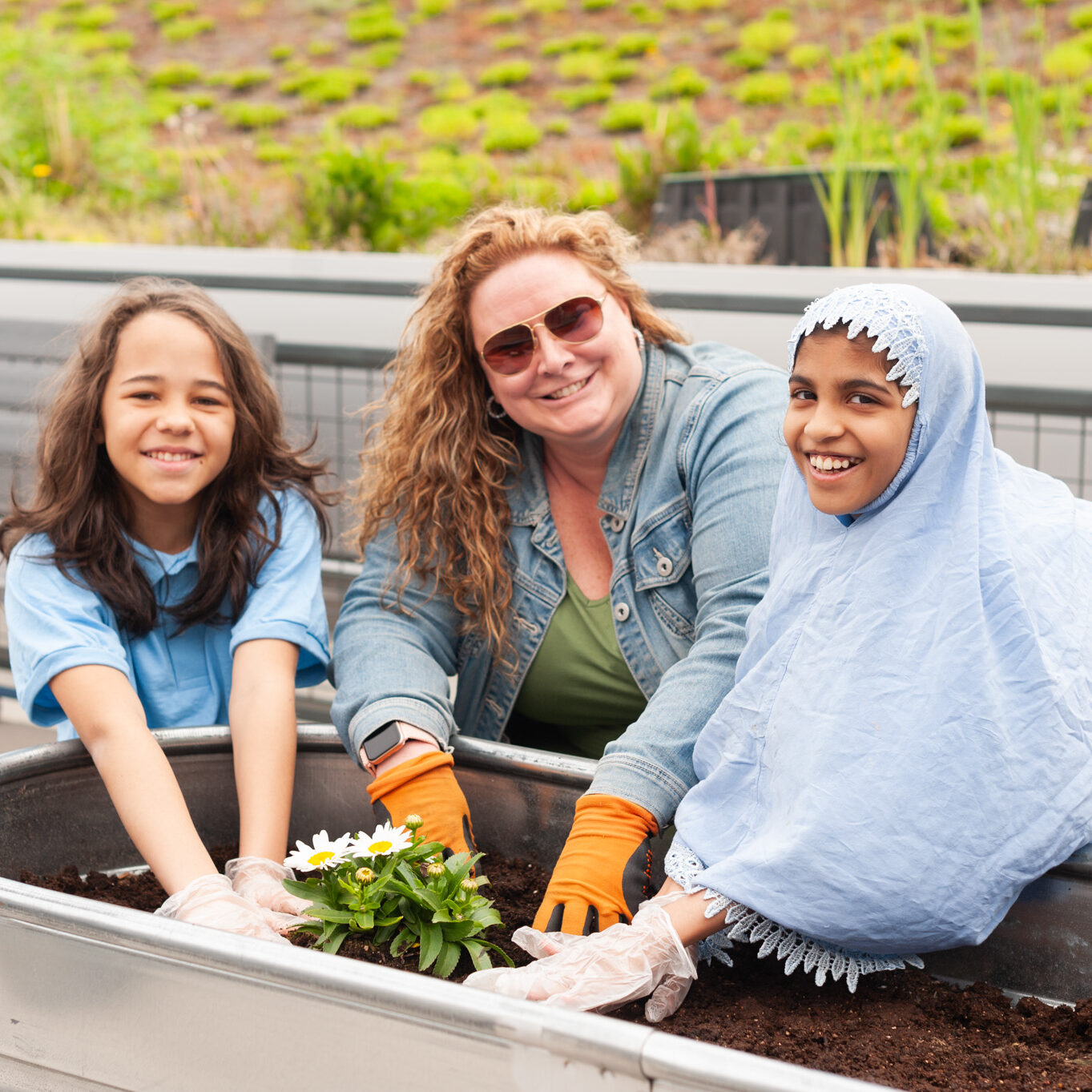
The School District of Philadelphia is committed to reducing waste, fostering sustainability, and building healthier communities through effective waste management programs. All waste-related projects, including recycling, litter management, and chemical disposal, are opportunities for schools to contribute toward sustainability action projects under the Eco-Schools USA program. The District is committed to reducing the amount of trash it sends to landfills. By embracing sustainability efforts such as waste reduction and reuse initiatives, the District lowers costs and fosters innovation and good citizenship. It also improves the communities in which we live and work by creating a safe, healthy, and cleaner environment where students can thrive. This includes a focus on waste diversion District-wide and city litter reduction programs.
Chemical Management Procedures for Schools
Chemical Management
Each school must follow procedures for ordering and disposing of chemicals per regulatory requirements and maintain Safety Data Sheets (SDSs) for all chemicals. SDSs should be organized and kept in the Principal’s Office and where chemicals are stored or used.
Chemical Management Plan, Science + Chemicals = A Safer Green Environment: A Guide for Science Teachers within the School District of Philadelphia
- Internal policies on chemical purchasing, including a list of approved chemicals and associated Safety Data Sheets (SDS)
- Chemical safety information, such as proper storage and best management practices in the laboratory
- Chemical disposal procedures.
- How to incorporate green chemistry practices, including tips to scale down experiments and substitute materials without reducing the experience for students.
Electronic or Technology Waste
Electronic or Technology Waste
All District facilities routinely generate electronic or technology wastes, including:
- outdated computers
- televisions
- cathode ray tubes
- other electronic components
To arrange disposal services, call the I.T. Help Desk at 215-400-5555.
Do Not Dispose Of The Following Items In The Trash Or Recycling
- Fluorescent lamps
- Light bulbs with mercury
- Emergency lights
- Small sealed lead acid batteries
- Electronic devices with cathode ray tubes i.e computer monitors (non-flat panel) and TVs
- Blood pressure meters
- Non-empty aerosol cans
- Mercury containing products such as
- vacuum gauges
- medical devices
- thermostats & thermometers
- switches
- gas flow regulators
- novelties with mercury added
For disposal, school personnel need to complete this form.
Requests received during the week are assigned to vendors every Friday. For urgent needs, submit the form and email greenfutures@philasd.org.
Single-Stream Recycling Program
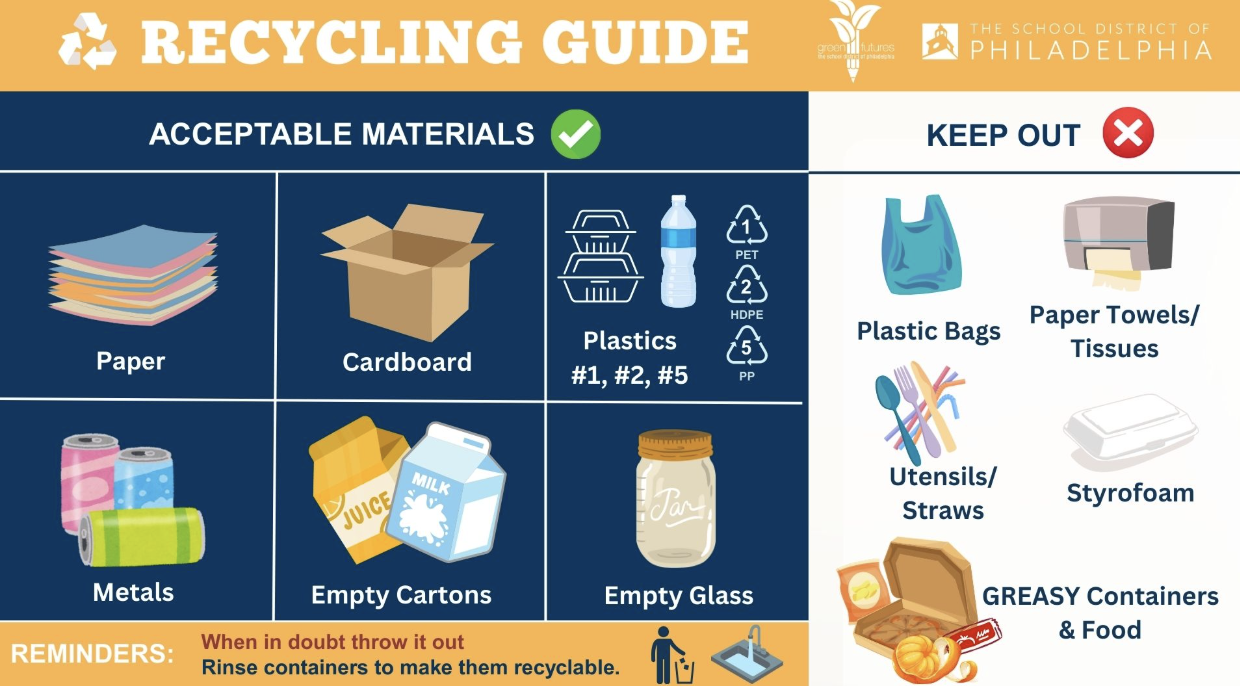
Acceptable Materials
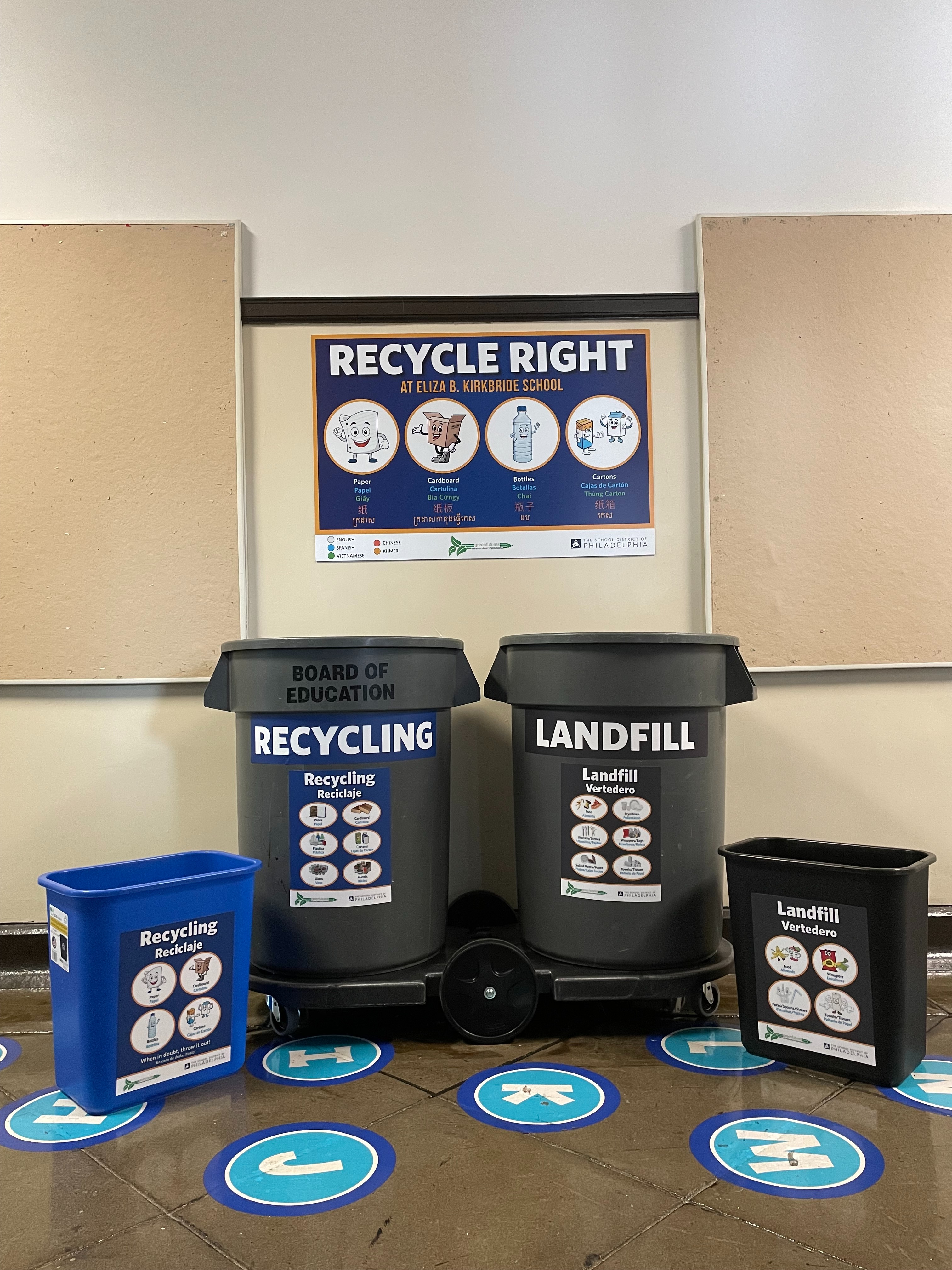
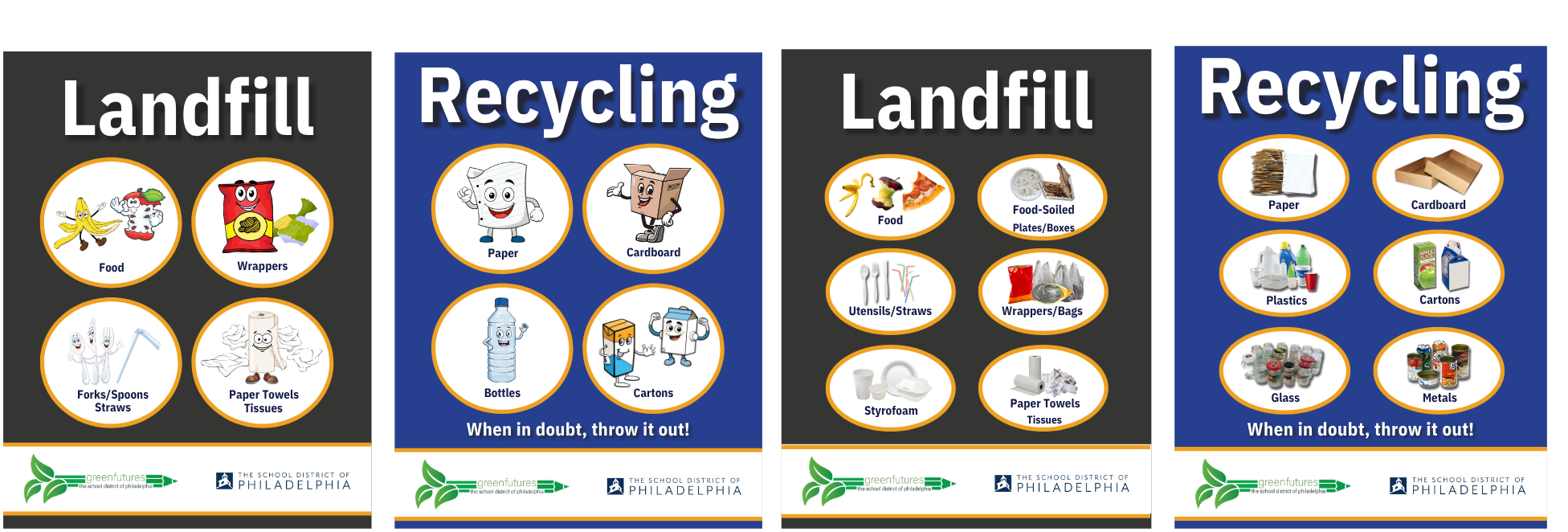
What Goes in the Recycling Bin?
- Mixed paper
- Flattened cardboard
- Plastics #1, 2, and 5 (Remember 215)
- Glass bottles and jars
- Rinsed food and drink cartons
- Aluminum and metal cans
What Stays Out of the Recycling Bin?
- Food waste
- Snack or candy wrappers
- Paper plates or cups
- Plastic bags
- Styrofoam
- Plastic-coated envelopes
- Paper towels, napkins, or tissues
EcoSchools Rethink Trash Campaign
- Follow the Waste
- Litter Index
- Waste Audit
- Mini MRF
Recycle Ready Pathway: This pathway is built to assist in bringing recycling to schools with a strong emphasis on education and hands-on learning. This step-by-step process allows students, educators, and administrators to work together in bringing recycling to their school.
Recycle Journey Pathway: This pathway is for schools that may not have the resources to begin a recycling program yet. It enables a deeper, stronger understanding of waste and recycling, laying the groundwork for future waste education and recycling programs.
Bin Signage
Clear bin signage helps the school district minimize contamination by guiding students and staff to place the right materials in the right containers, keeping trash and recycling streams clean and efficient. With clear language and images, these labels help eliminate cross-contamination in waste streams. Sorting waste correctly at the source is a shared responsibility and is not part of custodial staff duties.
Energy and Efficiency
The District is committed to reducing energy consumption as a key strategy for lowering costs, cutting greenhouse gas emissions, and reducing reliance on fossil fuels. A strong energy management strategy includes the pursuit of cost-effective energy solutions, both through how we purchase energy and how we finance energy-related improvements. Further, we are expanding renewable energy initiatives to strengthen resiliency and further reduce emissions across our schools.
Improving energy efficiency goes hand in hand with creating healthier learning environments. As we upgrade lighting, heating, cooling, and ventilation systems, we are not only reducing energy waste but also enhancing indoor air quality (IAQ) and overall comfort in school buildings. These improvements help regulate temperature, increase fresh air circulation, and reduce pollutants, ensuring a safer and more productive environment for students and staff.
Quicklinks
Major Initiatives
Upgrades and Renovations
The District continues to invest in energy-efficient improvements, including:
- Relighting Projects: Converting schools to high-efficiency LED lighting.
- Heating Oil Conversions: Transitioning away from oil-based heating where feasible.
- Facility Modernization: Updating HVAC systems, ventilation, and insulation to improve building performance.
Commitment to Energy & Efficiency
Our approach to sustainability is built on:
- Resource Stewardship: Lowering operational costs so more funds can be directed to education.
- Healthier Learning Environments: Reducing fossil fuel reliance, improving indoor air quality (IAQ), and creating more comfortable classrooms.
- Data-Driven Decision-Making: Tracking utility consumption to guide improvements.
- Continuous Improvement: Implementing energy-efficient upgrades, renewable energy projects, and infrastructure improvements to reduce consumption and enhance resiliency.
Pennsylvania Guaranteed Energy Savings Act (GESA)
The District uses the Guaranteed Energy Savings Act (GESA) as a method to modernize school buildings while managing long-term energy costs. Through this approach, we contract with energy service companies (ESCOs) to design and implement major infrastructure upgrades. These projects include a range of energy conservation measures (ECMs) that reduce energy consumption and, where possible, pay for themselves over time through the savings they generate.
While GESA projects focus on energy performance, they also address long-standing building needs that improve comfort, safety, and indoor air quality. Many of these upgrades would not be feasible through traditional capital funding alone. Capital upgrades will support a new addition or a facility upgrade, for instance, but not projects focusing on energy efficiency.
Key features of our GESA program include:
- Modernized Heating and Cooling Systems: Replacing obsolete boilers, upgrading chillers, and adding air conditioning in buildings that previously lacked it, which brings improved comfort to classrooms, cafeterias, and gyms
- Improved Ventilation: Bringing buildings up to current codes by restoring or installing mechanical ventilation systems, improving indoor air quality, and supporting student health and learning
- Building Automation Systems: Replacing outdated temperature controls with digital systems that allow for centralized management, increased efficiency, and faster maintenance response
- Lighting and Electrical Upgrades: Installing high-efficiency lighting to improve visibility and safety and updating electrical infrastructure to meet the demands of modern equipment
- Hazardous Material Abatement: Identifying and safely removing hazardous materials such as asbestos during construction work
- Measurement and Verification (M&V): Confirming projected savings over multiple years; if savings fall short, the ESCO is contractually responsible for covering the difference
GESA projects are implemented in phases, allowing the District to prioritize urgent needs, manage costs, and make steady progress across the building portfolio. As part of this ongoing strategy, buildings are regularly assessed for future inclusion based on condition, energy performance, and available funding. This long-term approach ensures we continue improving facility performance while supporting healthy, efficient learning environments across the District.
Solar Energy
The District is actively expanding the use of on-site solar energy as part of its long-term sustainability goals. Through programs like the PA Department of Community & Economic Development’s Solar for Schools Program, we identify schools that are well-positioned for solar installations and prepare them for future implementation as funding becomes available.
Solar-Ready Prioritization
While many schools are interested in installing solar panels, not all buildings are currently solar-ready. We evaluate each site’s electrical capacity, roof condition, and energy performance potential to ensure that projects are both feasible and cost-effective. Our priority is to maximize environmental and financial impact across the District by focusing on projects that offer the greatest benefit.
Districtwide Benefits
Solar projects are prioritized based on their potential to deliver the greatest environmental and financial benefits. By generating renewable electricity, they help reduce greenhouse gas emissions and the air pollution associated with fossil fuel generation, contributing to healthier communities. They also strengthen climate resiliency by increasing the District’s use of renewable energy, reducing dependence on an increasingly strained electric grid, and helping prepare our schools for future energy and climate challenges.
Strategic Financing
Solar installations are supported through a combination of grants, federal Investment Tax Credits (ITC), and utility rebates. These funding sources help reduce the capital costs of a solar installation and decrease a solar project’s payback period.
Green Workforce Development
The District’s Bright Solar Futures program is a three-year solar energy Career and Technical Education (CTE) pathway currently at Frankford High School that prepares students for clean energy careers. As the first program of its kind in the nation, it offers hands-on training in solar installation, design, energy efficiency, and job site safety, building a more diverse and equitable green workforce for Philadelphia.
Transportation: Clean & Efficient
The District is transitioning to a cleaner, lower-emission fleet that supports student health, environmental responsibility, and long-term climate resiliency. As the fleet evolves, we continue to prioritize practical solutions that reduce reliance on diesel and improve air quality across our communities.
Transitioning the Fleet
The District is taking a phased, multi-fuel approach to reduce diesel use across its fleet.
Electric buses are a long-term solution with zero tailpipe emissions and lower noise, contributing to better air quality and student comfort. The District is expanding its electric fleet as infrastructure and funding allow.
Propane buses were introduced as a near-term step to quickly lower emissions while electric readiness was still developing. While not a permanent solution, they enabled faster diesel replacement during an early phase of the transition.
Fleet transition involves more than new vehicles. The District is investing in the infrastructure, training, and planning strategies needed to ensure long-term success. This includes building out charging capacity, preparing maintenance staff, and aligning route planning to support clean vehicle deployment in a safe and reliable way.
Cleaner transportation options reduce exposure to diesel exhaust and lower noise pollution, improving health outcomes and ride experiences for students. These efforts also advance climate goals and promote environmental equity in communities historically impacted by vehicle emissions.
Energy Education
Our Energy Education programs engage teachers, students, and entire school communities in understanding energy efficiency and conservation strategies. You can find our Energy Education resources and hands-on learning opportunities through the EcoSchools platform here. We are actively building out the District’s customized cards for this section; keep an eye out for customized cards!
As we make building upgrades that improve energy efficiency through GESA programs and Capital Improvements, we are able to reallocate funds that would have otherwise gone to costly energy bills to further invest in building efficiency and educational programs. Through these programs, we aim to instill a culture of energy conservation among district students and staff. GESA’s allow the District to engage the whole school community during the construction/ renovation process by providing Energy Education materials to the school community. This helps building occupants understand what changes are being made in their building and why.
You may be familiar with some of our GESA initiatives:
- Flip the Switch
- Slash the Trash
- Stop the Drop
- Reduce the Juice
The District tracks utility consumption and energy performance ratings using ENERGY STAR Portfolio Manager for all of its buildings.
School Greenscapes
School greenscapes are a system of outdoor learning environments and natural play areas that connect curriculum to nature through the practical application of concepts across all grade levels and subjects. They serve as stages for discovery, learning, and imaginative play while providing environmental benefits such as stormwater management, reduced urban heat, improved air quality, and expanded tree canopy. These spaces strengthen student health, creativity, and social connection while fostering a sense of stewardship and belonging. The School District of Philadelphia’s Greenscapes initiative offers a framework and resources for schools to plan and implement these improvements, aligning with the District’s GreenFutures sustainability goals and Accelerate Philly priorities to create safer, greener, and more resilient school environments across the city.
Greenscapes Guide
Coming soon!
The Greenscapes Guide is a District roadmap that helps school communities bring their greenscape projects from concept to reality. It guides schools through the process of planning, design, coordination, and long-term care, offering a clear path to creating sustainable schoolyards. Intended for school communities and partners, the guide supports collaboration and helps each school create a space that reflects their vision for a healthier learning environment.
How to Use the Greenscapes Guide
The guide is organized into nine steps, each with clear actions, worksheets, and resources. These steps follow the District’s process: building a team, understanding your site, sharing a vision, and turning that vision into a long-lasting space.
Use it from start to finish if you are beginning a new project, or go directly to a specific step if you are refining or expanding an existing space. Teams will use Ecoschools to document decisions, track progress, and find standards-aligned worksheets. The guide will connect you to District policies, partner organizations, and additional tools.
Green Stormwater Infrastructure
Since 2008, the District’s capital programs and environmental departments have been transforming schoolyards through green stormwater infrastructure (GSI). As one of the largest landowners in Philadelphia, the District plays a critical role in supporting the City’s Green City, Clean Waters plan through an initial partnership with the Philadelphia Water Department (PWD). The City’s plan aims to reduce the volume of stormwater entering combined sewers using green stormwater infrastructure and to expand stormwater treatment capacity with traditional infrastructure improvements.
Working with experienced landscape architects and engineers, our design teams use greenscapes and landscaping to not only address environmental needs, but also create functional green space to separate parking from play, create welcoming entrances, quiet the schoolyard all the while capturing stormwater, filtering the air, and adding wildlife habitat.
The Understanding the Urban Watershed curriculum, developed by the Fairmount Water Works Interpretive Center, was created alongside the City’s Green City, Clean Waters plan to connect classroom learning to Philadelphia’s growing green stormwater infrastructure (GSI) work. Designed as a place-based, hands-on exploration of Philadelphia’s water story, this learning tool helps students understand the purpose and impact of the GSI features now integrated into many District schoolyards.
Sense.Able Schoolyards
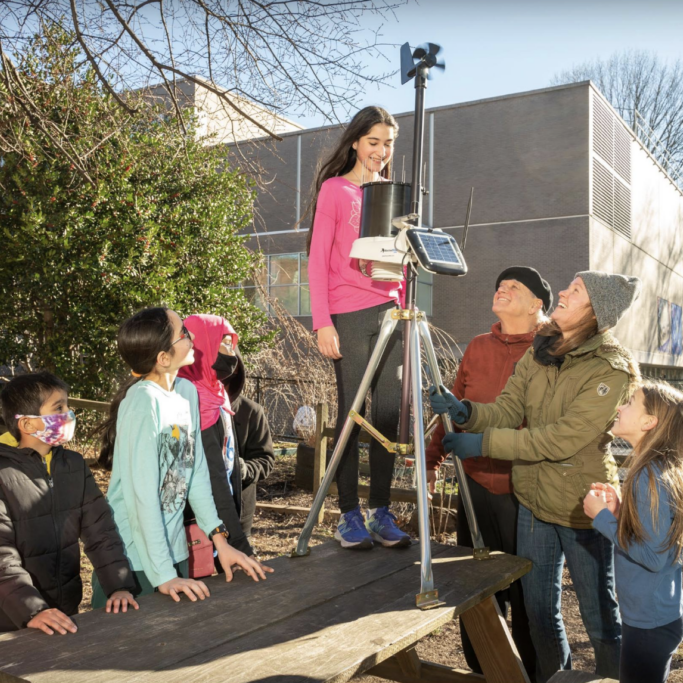
Sense.Able Schoolyards is a program born out of collaboration between Fairmount Water Works and the School District of Philadelphia, funded by Spark Therapeutics. The program equips schools with sensing tools, including weather stations and airnotes, for students to collect data on their own schoolyard and investigate the concept of the Urban Heat Island. Instructional content can be found in the Sense.Able Schoolyards mini-unit available on the Understanding the Urban Watershed webpage.
Tree Canopy Program
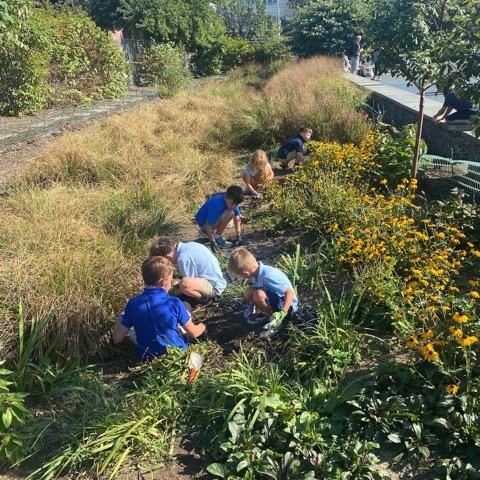
The District has collaborated with tree-planting partners such as the Pennsylvania Horticultural Society for more than two decades to expand tree canopy on school campuses, strengthening student health, comfort, and overall well-being. As an active partner in the Philly Tree Plan, the District is advancing a coordinated approach to increasing canopy coverage at schools by planting more trees, implementing green stormwater projects, and connecting this work to environmental education. Through the District’s Tree Canopy program, we are working toward achieving equitable canopy coverage in the Philly Tree Plan’s priority areas, ensuring that schoolyards contribute meaningfully to a healthier and more resilient urban environment.
To support this effort in the classroom, the District partnered with Fairmount Water Works to develop the Seeing the Forest AND the Trees mini-unit as part of the Understanding the Urban Watershed curriculum to introduce students to the role of trees in urban ecosystems and connect their learning directly to the improvements happening on their own campuses. The District also partners with EcoSchools US to create customized, place-based lessons for Philadelphia students. These Eco Action Cards connect to the Greenscapes Guide and further students’ understanding of Philadelphia water systems.
Healthy Schools, Healthy Living
Healthy Buildings That Support Healthy Bodies and Minds
Students spend more than 900 hours each year in school buildings. The District is committed to providing students and staff with safe, healthy, clean, comfortable, and well-resourced places to learn and work.
Indoor Environmental Quality (IEQ)
Indoor Environmental Quality, or IEQ, refers to the full range of environmental conditions inside school buildings that affect the health, safety, comfort, and academic performance of students and staff. These conditions include indoor air quality, ventilation, thermal comfort, moisture and mold, drinking water quality, asbestos, lead-based paint, and other building-related environmental factors.
The District’s IEQ Management Program oversees the inspection, evaluation, monitoring, testing, reporting, and remediation of environmental conditions in school buildings.
Indoor Air Quality (IAQ)
Indoor air quality, or IAQ, focuses specifically on the air inside school buildings and the conditions that affect it. Good indoor air quality supports student and staff health, comfort, attendance, and learning. The Office of Environmental Management & Services conducts indoor air quality assessments, evaluates ventilation, investigates moisture and mold concerns, and coordinates improvements when concerns are identified. This work follows the U.S. EPA’s Indoor Air Quality Tools for Schools guidance.
Asbestos
The District manages asbestos-containing materials through inspections, monitoring, required management plans, and response actions during maintenance, renovation, and construction.
Lead-Based Paint
The District inspects and manages lead-based paint and painted surfaces to reduce potential exposure risks in school buildings.
Drinking Water Quality, Access, and Appeal
Look up testing information for your outlet Scan the barcode on any hydration station or filtered drinking water outlet to view testing information for that location.
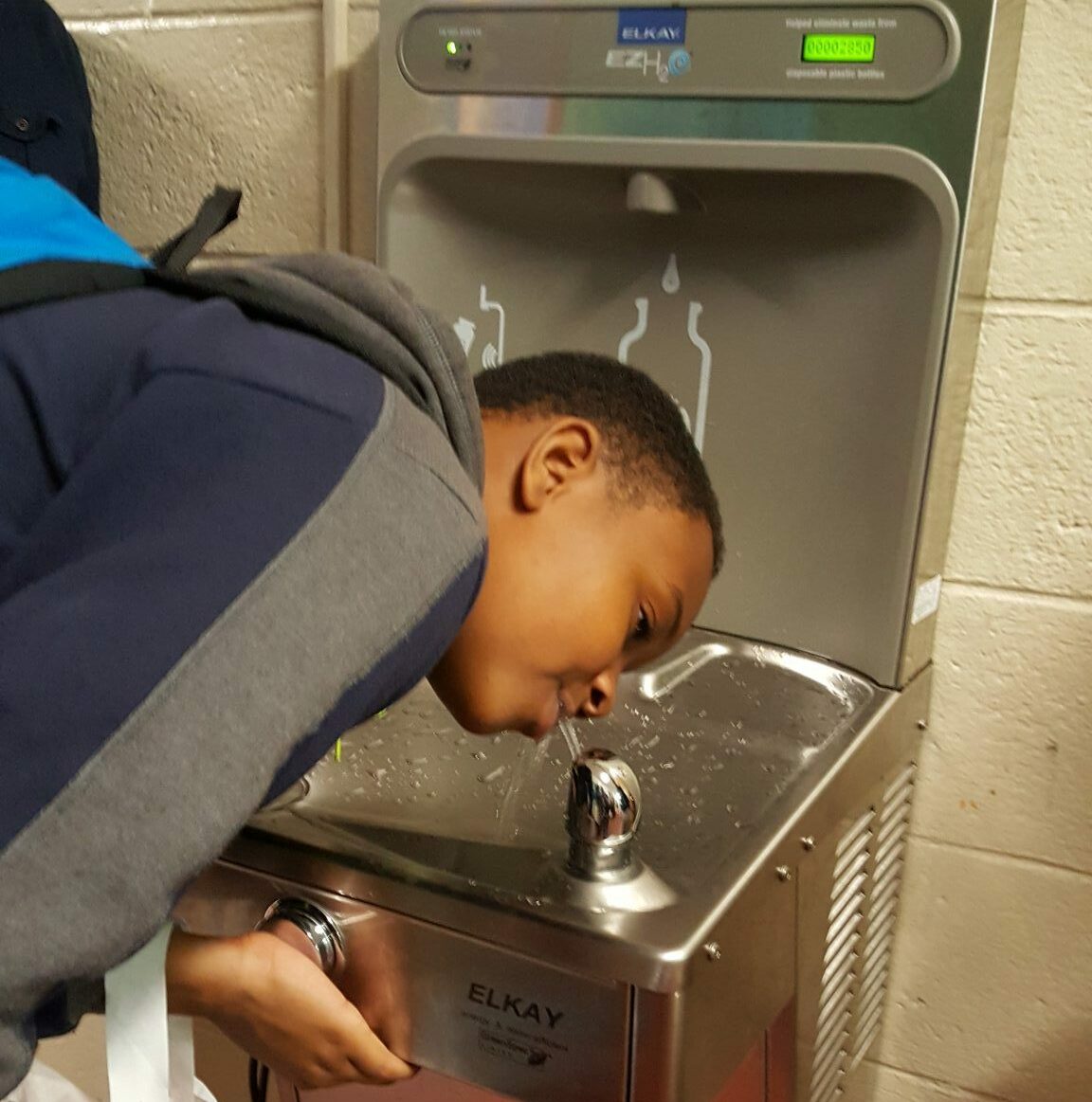
Access to safe, appealing drinking water supports student health and readiness to learn. The District has installed more than 2,000 hydration stations, meeting its goal of providing at least one station for every 100 students.
Hydration stations provide chilled, filtered water and make it easier to refill reusable bottles, supporting healthy hydration while reducing reliance on disposable plastic bottles.
Water Testing and Filtration
All potable water outlets intended for consumption are filtered and tested on a five-year cycle. Drinking fountains and water coolers have been replaced with hydration stations, while sinks used for drinking or food preparation are equipped with inline filters.
Student-Led Drinking Water Campaign
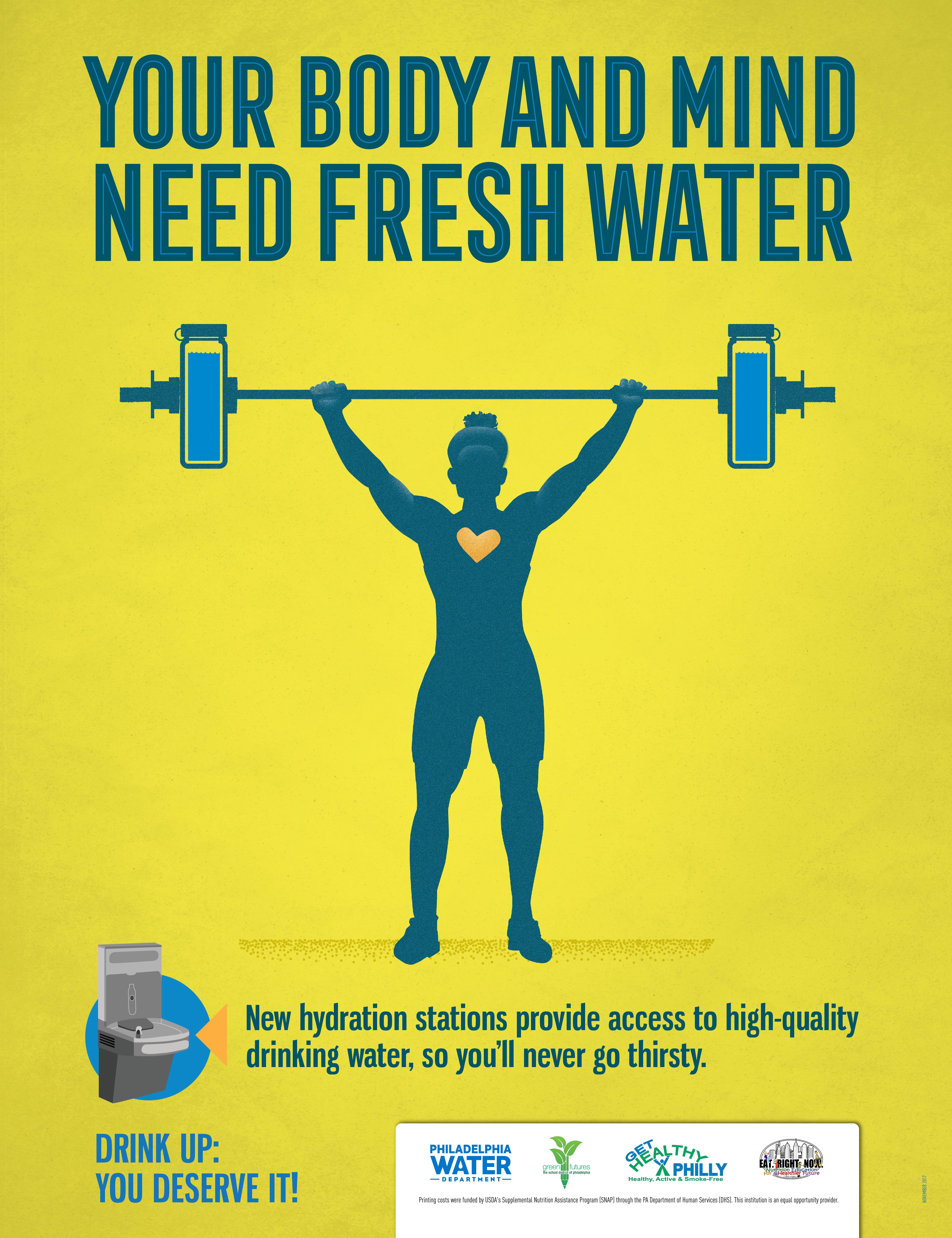
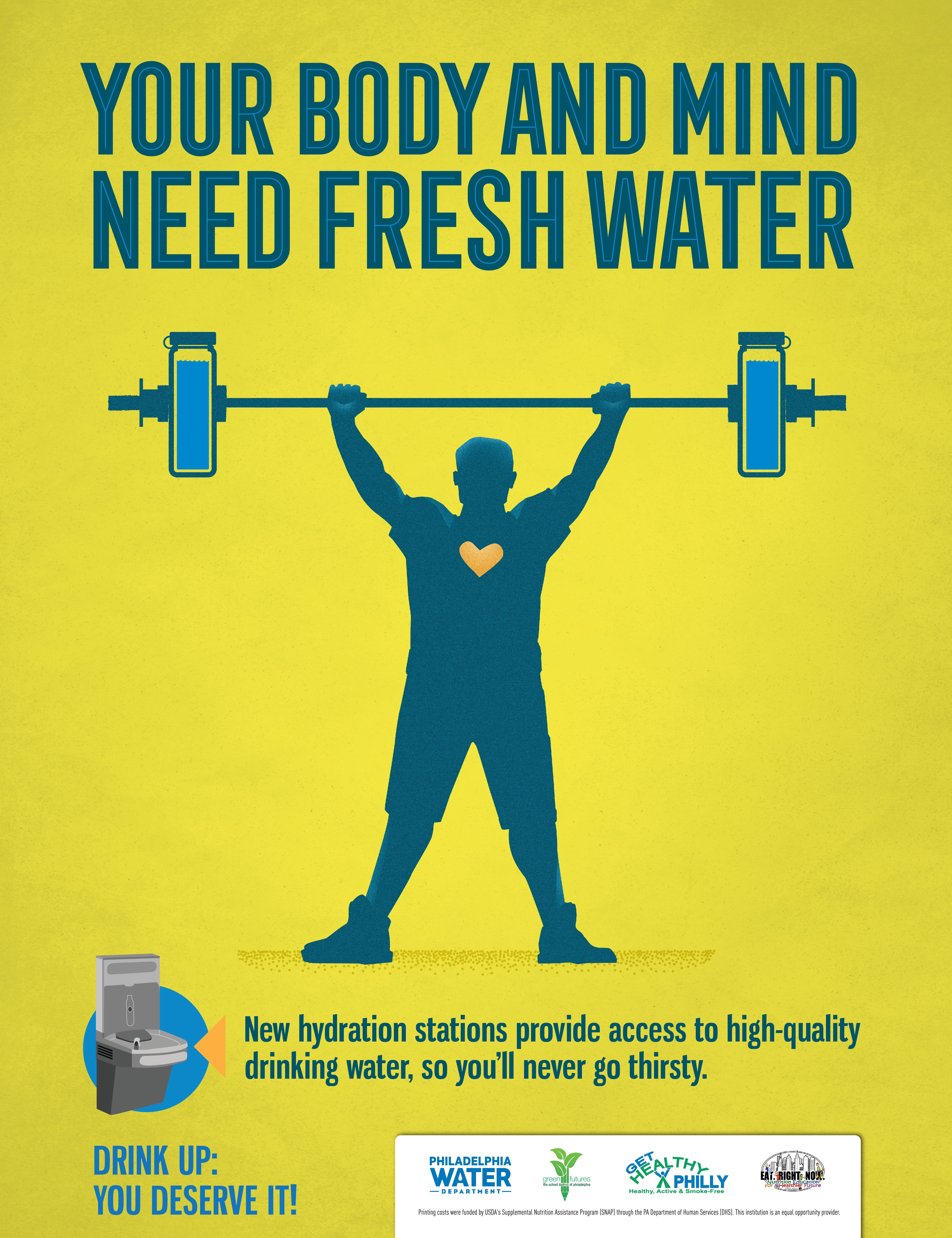
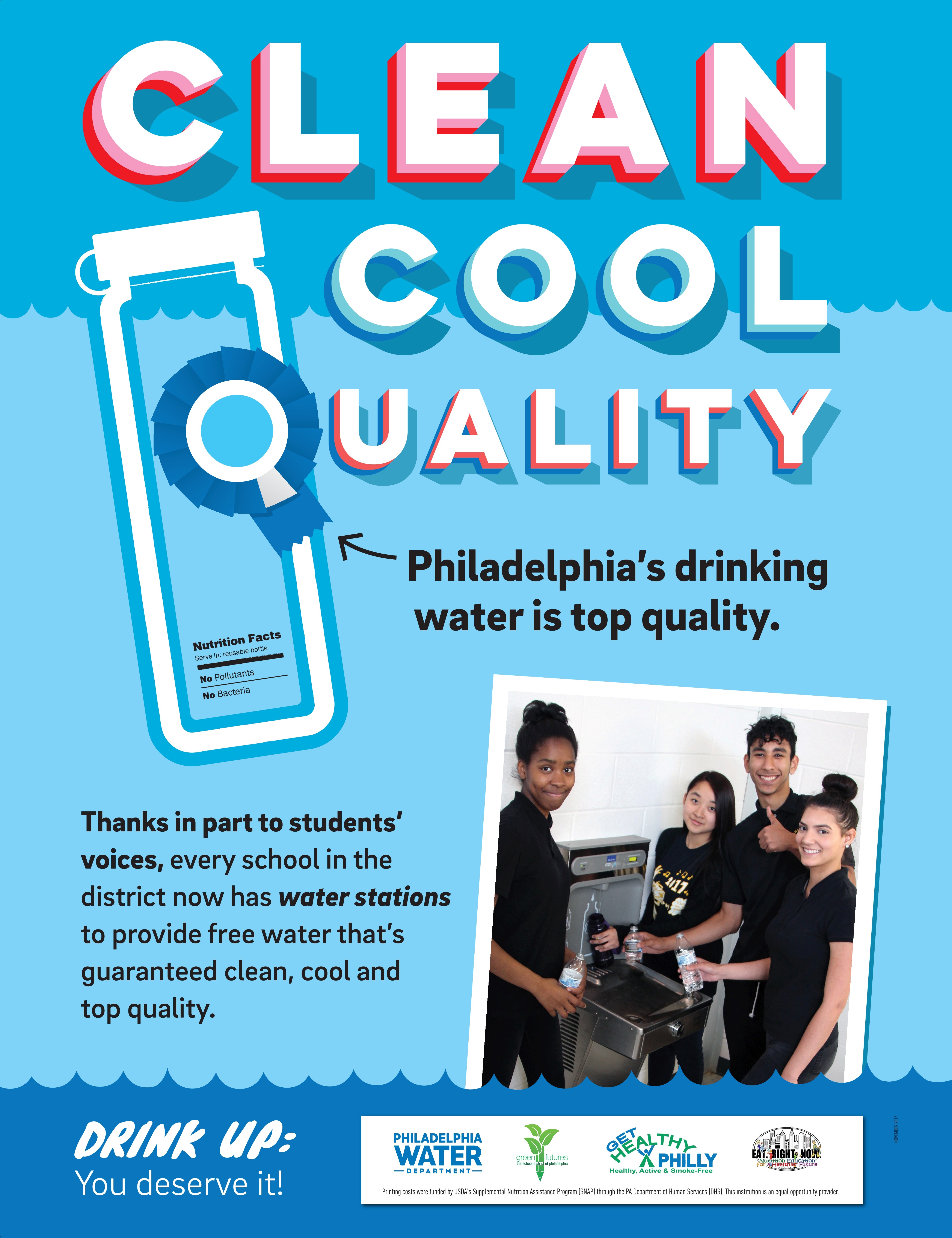
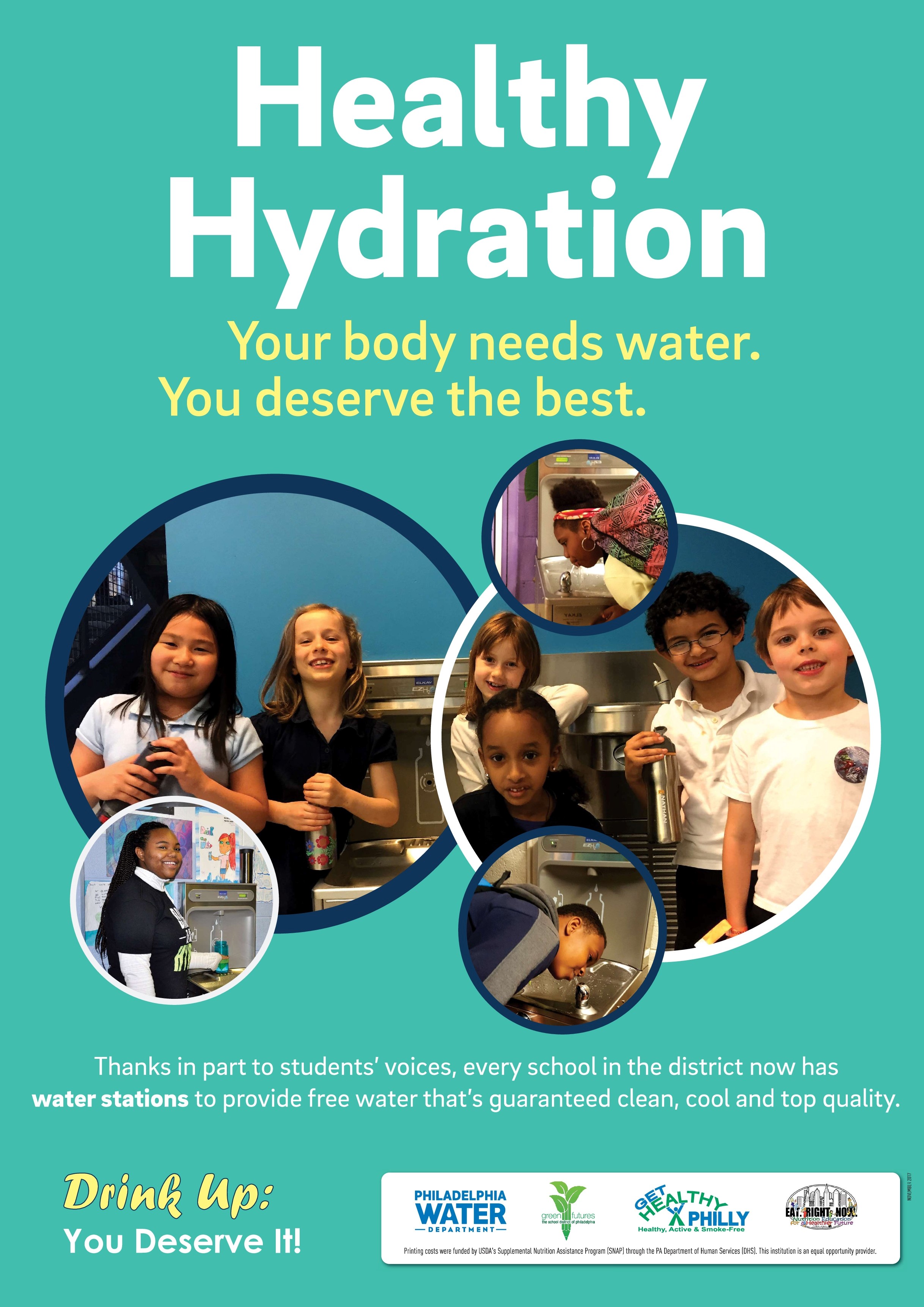
In partnership with the Philadelphia Water Department and the Philadelphia Department of Public Health, the District facilitated a student-led campaign to promote drinking water as a healthy choice with environmental benefits. More than 900 students were surveyed to identify the messages most likely to encourage healthy hydration. Their feedback informed campaign messages such as “Clean, Cool, Refreshing,” “Your Body Needs Water,” and “Healthy Hydration in Action,” as well as posters and videos used in schools.
Student-Created Videos
- Kensington High School: Plastic Literally Hurts
- W.B. Saul High School: Better Planet. Better Kidneys. Better You.
Health and Wellness
The District supports student health and well-being through social and emotional supports, nutritious school meals, and opportunities for safe, active transportation.
The Office of School Climate and Culture supports safe, supportive, and inclusive school communities where students can build relationships, develop social and emotional skills, and feel a sense of belonging.
The District supports student health through nutritious school meals and health education that includes healthy eating and nutrition.
Active Transportation
The District partners with Safe Routes Philly to support safe walking, biking, and rolling to school. Active transportation supports physical activity and can reduce traffic and transportation-related emissions near schools. Safe Routes Philly provides transportation safety lessons, educator training, school support, and resources for students and families.
The District and Safe Routes Philly developed three EcoSchools action cards that connect transportation safety and active transportation with school sustainability work:
- Safe Routes Philly 101
- Walking or Biking School Bus
- Walk and Bike to School Day
To access the cards, log in to EcoSchools, open the Action Library, and search for Safe Routes Philly.
Quicklinks
Classroom Connections
Policies, Practices & Communication
Water Safety & Quality
Summit for Sustainable Schools
The Summit for Sustainable Schools is the School District of Philadelphia’s annual day of learning for District leadership, decision-makers, and key staff whose work shapes schools, facilities, operations, planning, and student experience. This one-day, conference-style event brings sustainability experts to District staff and leadership for a day of learning and discussion.
The Summit approaches sustainability through a whole-school and whole-district lens. By bringing outside expertise into conversation with District leaders, the Summit allows staff to learn together, examine new approaches, and consider how sustainability can strengthen decisions across departments. The goal is to build on work already underway, improve coordination, and create momentum for the District’s next phase of sustainability priorities.
Why We Host the Summit
The School District of Philadelphia is one of the largest and oldest public school systems in the country, and it is our responsibility to create healthy, high-performing schools. By working together across departments, we can support better learning environments across the district.
The Summit provides a forum for sharing innovative ideas, practical solutions, lessons learned, and emerging research that support the District’s GreenFutures sustainability goals and aligns with Accelerate Philly priorities. This serves as a tool to break down silos, foster new interdepartmental partnerships, and accelerate progress toward healthier schools and stronger communities.
Session Recordings and Resources
Learning shouldn’t end when the conference concludes.
Watch recordings of keynote presentations, breakout sessions, and panel discussions to explore innovative projects, practical strategies, and lessons learned from leaders working to create healthier, more sustainable schools.
Many presenters make their slides, reports, tools, and additional resources available after the Summit so participants can continue learning and apply ideas within their own schools and organizations.
Past Summits
Each Summit focuses on a timely topic that reflects current priorities in school sustainability while remaining grounded in GreenFutures’ long-term vision.
- 2027 | TBD
- 2026 | Where Healthy Buildings Drive Savings and Resilience
- 2025 | Climate Resiliency Planning for the School District of Philadelphia
- 2024 | Organizational Structures To Drive District Sustainability Change
Call for Proposals
The Summit welcomes proposals that demonstrate practical, scalable solutions supporting healthy, sustainable, and resilient schools. We encourage submissions from educators, students, researchers, school districts, government agencies, nonprofit organizations, higher education, and industry professionals.
We prioritize presentations that share real-world implementation, measurable outcomes, lessons learned, and opportunities for collaboration.
Registration
Registration for the 2027 Summit for Sustainable Schools will open here when available.